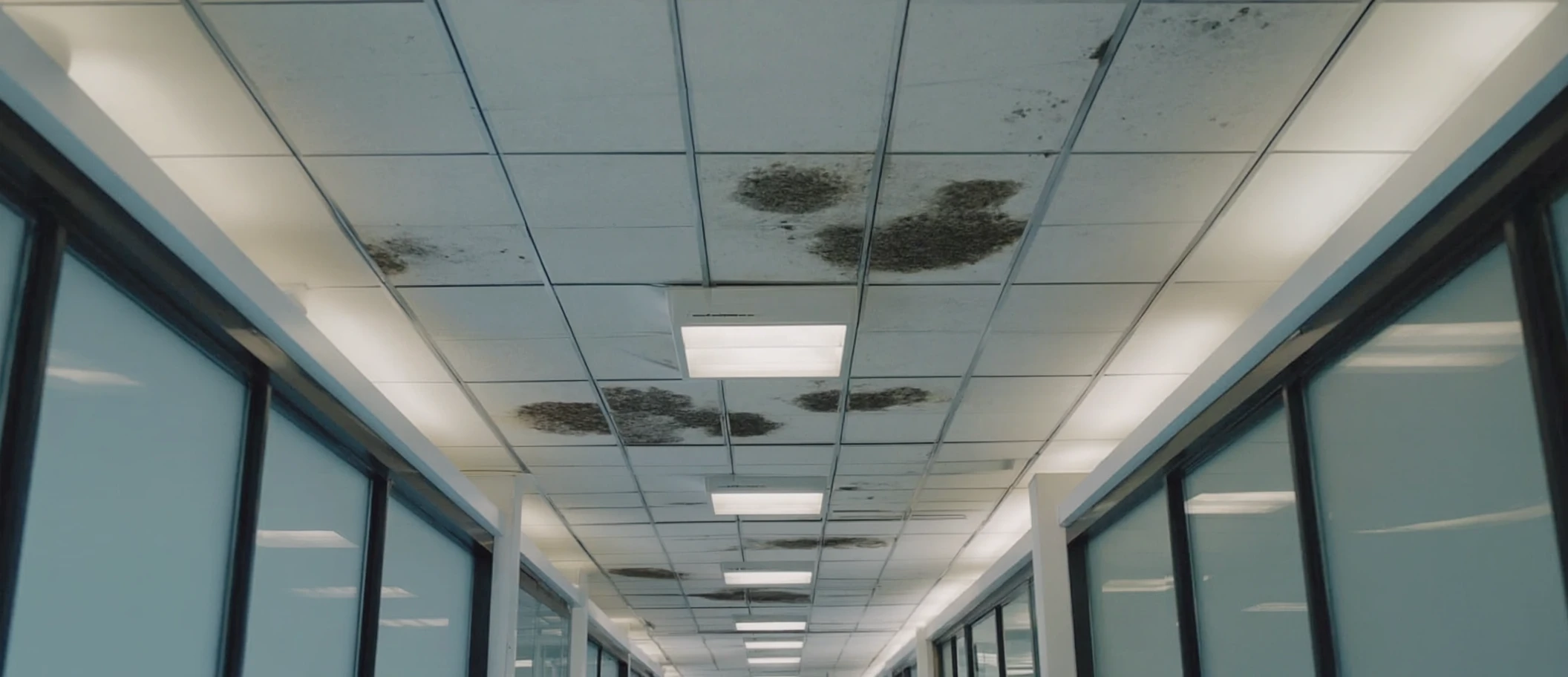
Commercial Mold Remediation in Nashville
Mold contamination is a serious concern for commercial properties of all sizes. Mold thrives wherever moisture exists and spreads rapidly, putting employees and customers at risk while causing significant structural damage. Acting quickly is critical. ServiceMaster Restoration by David is available 24/7 to assess your facility, contain active mold growth, and develop a remediation plan tailored to your property. The sooner you call, the more we can protect.
Mold spreads quickly. What begins as a small area of contamination can grow into a significant structural and health problem within days if left untreated. Attempting cleanup without proper training and containment risks spreading spores and making the situation considerably worse. ServiceMaster Restoration by David is available 24/7. Call us at the first sign of mold and our certified team will respond immediately.
Should mold be professionally removed?
Yes. Commercial mold removal requires professional expertise, proper containment, and specialized equipment to be done safely and effectively. Without the right protocols, mold spores can be disturbed and spread to unaffected areas, making the problem significantly worse. ServiceMaster Restoration by David follows industry certified remediation standards to eliminate mold at the source, protect the health of everyone in your building, and prevent future growth. We work closely with your team and your insurance carrier to keep the process moving efficiently.
Do Not Wait on Mold
We provide full documentation throughout the remediation process to support your insurance claim and give you a clear record of all work performed. ServiceMaster Restoration by David works with nationally recognized testing facilities and can provide mold inspection, laboratory analysis, and written remediation plans that meet regulatory and insurance requirements.
What is the difference between mold removal and mold remediation?
Mold removal refers to physically eliminating visible mold from surfaces such as walls, ceilings, and floors. Mold remediation goes further. It addresses the underlying moisture source that allowed mold to grow, includes air quality testing, applies preventive treatments, and establishes conditions that discourage future growth. For commercial properties, full remediation is almost always the right approach. ServiceMaster Restoration by David provides both services and will recommend the most appropriate course of action based on your specific situation.
No two mold situations are identical. ServiceMaster Restoration by David follows a thorough, proven process to safely eliminate mold and address the conditions that caused it:
- Conduct a thorough inspection using moisture detection tools, thermal imaging, and air quality sampling to identify all affected areas
- Establish containment zones to prevent cross contamination and deploy HEPA air scrubbers to remove airborne spores from the environment
- Remove and dispose of contaminated materials, apply antimicrobial treatments, correct the moisture source, and conduct post remediation verification to confirm safe conditions
Mold Inspection and Testing
Identifying the full extent of mold contamination requires more than a visual inspection. The team at ServiceMaster Restoration by David uses advanced moisture detection tools, air quality sampling, and thermal imaging to locate mold growth behind walls, above ceilings, and within HVAC systems that may not be visible to the eye. When needed, we partner with nationally recognized testing facilities to provide laboratory analysis and written remediation plans that meet insurance and regulatory requirements.
Our Commercial Mold Remediation Process
Protecting the health of your employees and customers is not just a safety priority. It is a legal and operational responsibility. If you suspect mold in your facility, do not wait. Contact ServiceMaster Restoration by David for an immediate assessment.
What Are the Signs of Mold Damage To Look For In Your Building?
Mold is not always visible. If your building has experienced any of the following, a professional mold inspection is strongly recommended:
- A recent flood or water intrusion, or storm damage
- Active or unresolved leaks from pipes, roofing, or HVAC systems
- Persistent musty odors throughout the building or in specific areas
- Discoloration, staining, or bubbling paint on walls or ceilings
What Health Problems Can Be Caused By Mold?
All mold has the potential to affect the health of occupants. For a commercial facility, this creates real liability risk. Common health effects associated with mold exposure include:
- Headaches and difficulty concentrating
- Respiratory irritation and breathing difficulties
- Skin and eye irritation
- Allergic reactions
- Aggravation of asthma and other respiratory conditions
Structural Mold Damage to Your Business
Mold does not just affect surfaces. Over time, it degrades the materials it grows on and can compromise the structural integrity of your building. Common areas of concern include:
- Foundations and concrete structures
- Roof decking and framing
- HVAC systems and ductwork
- Drywall and wall cavities
- Gutters and drainage systems
- Furnishings, flooring, and stored inventory